Privacy fence
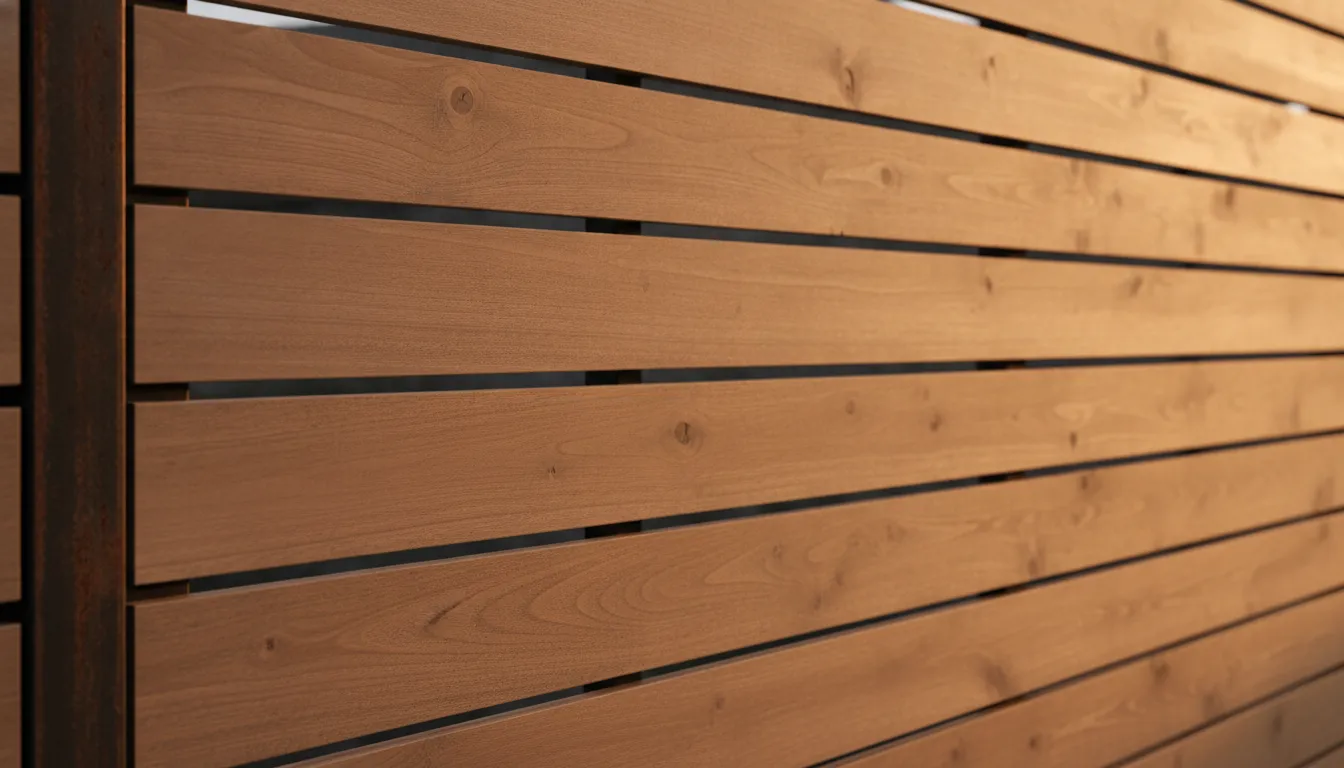
Cedar or treated pine. Posts set in concrete below the frost line and boards run to a string line rather than to the ground, because the ground is never straight.
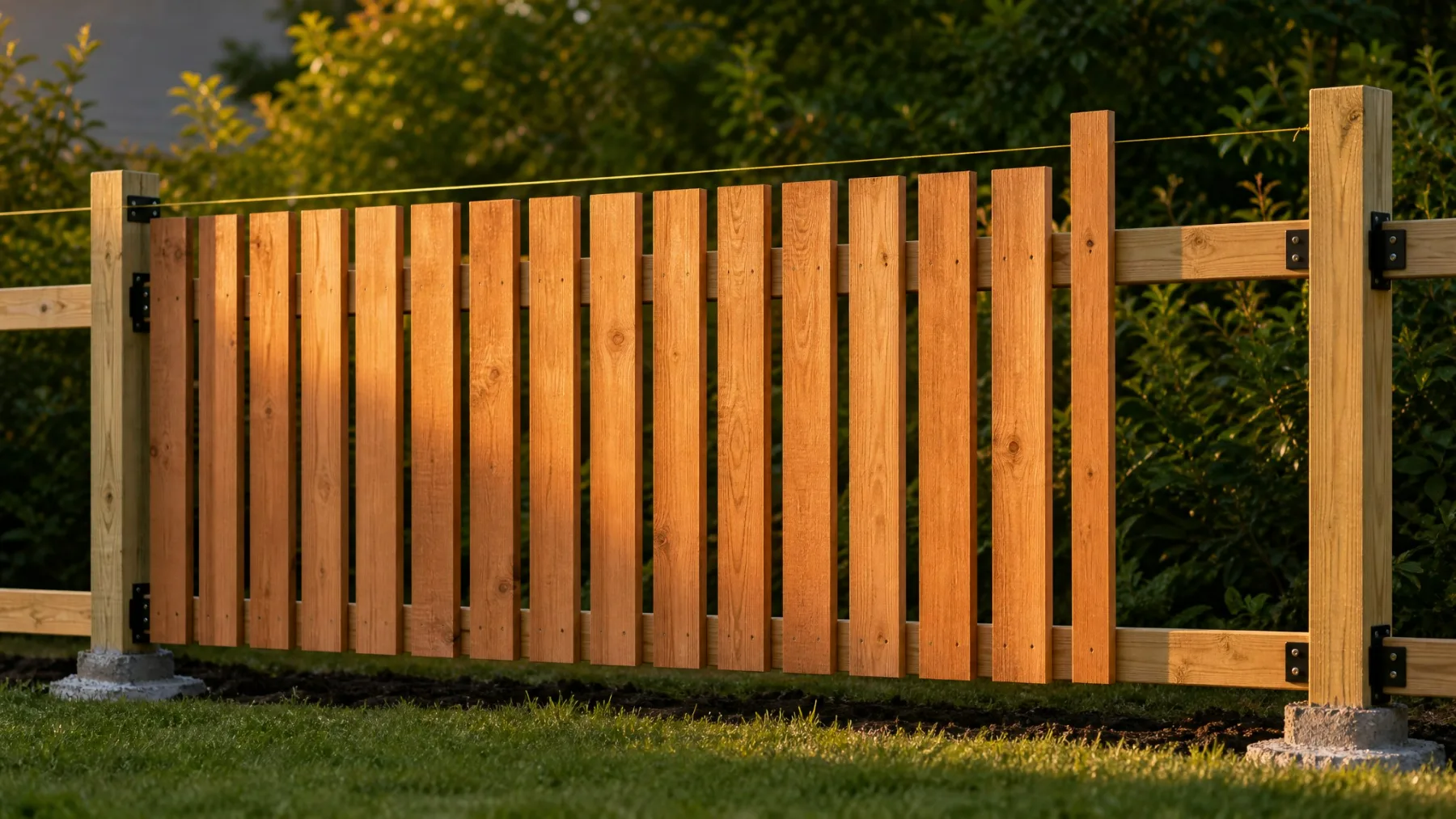
Posts set below the frost line, panels square to the run, and gates that still swing true in five years. Most of what decides whether a fence lasts happens before a single board goes on.
Four views
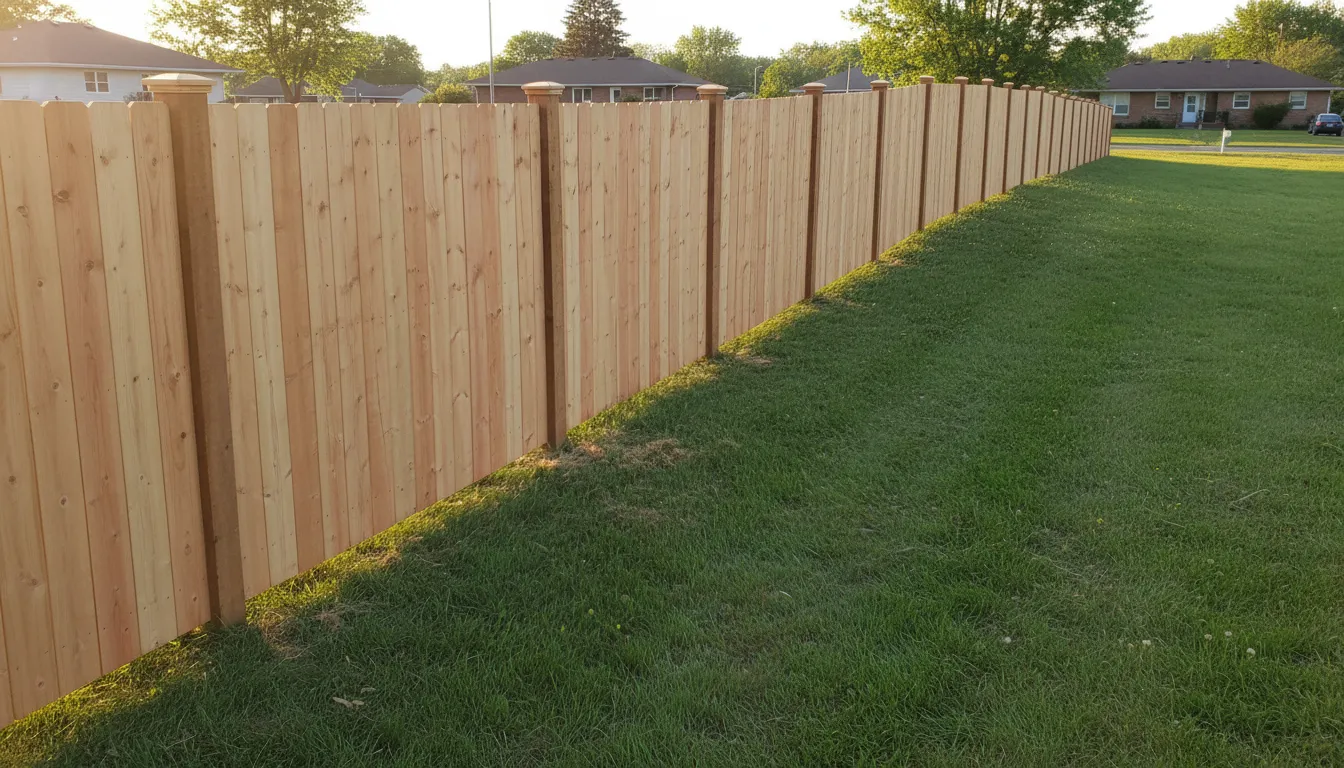
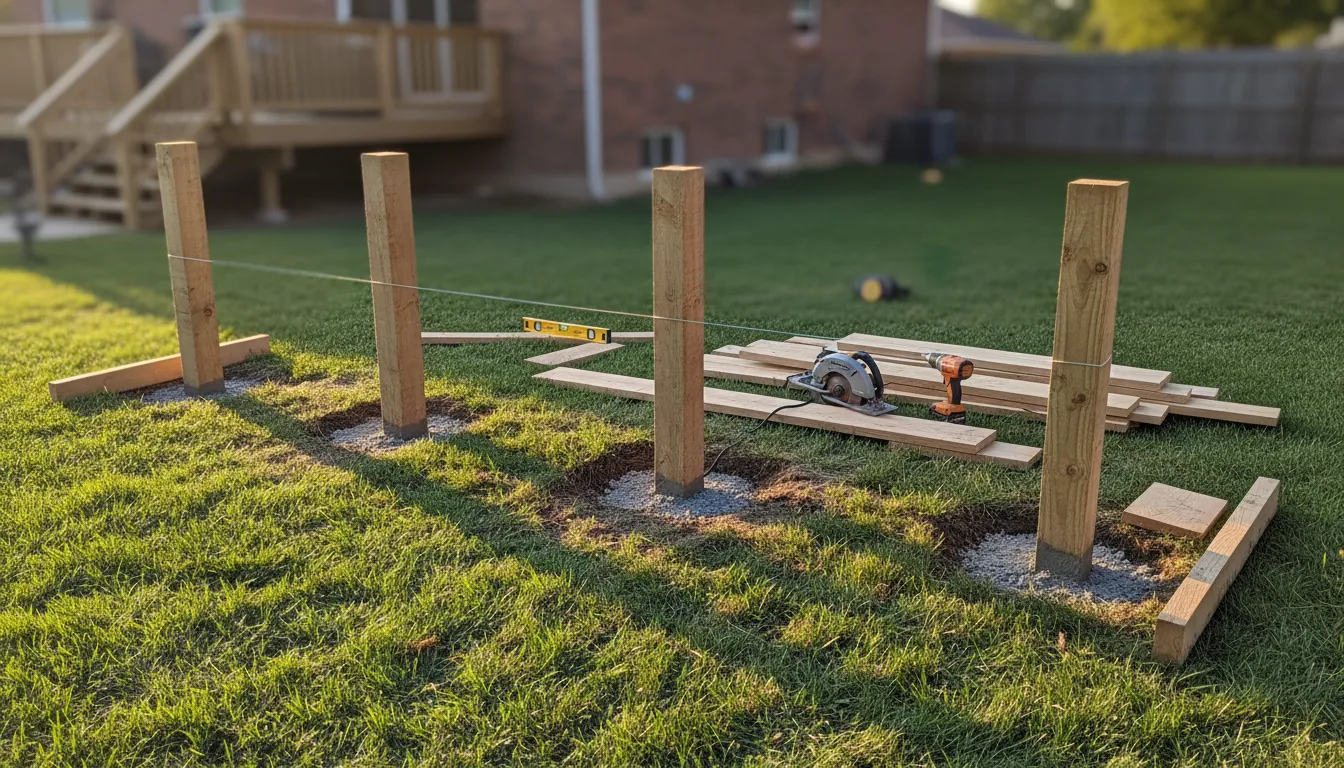
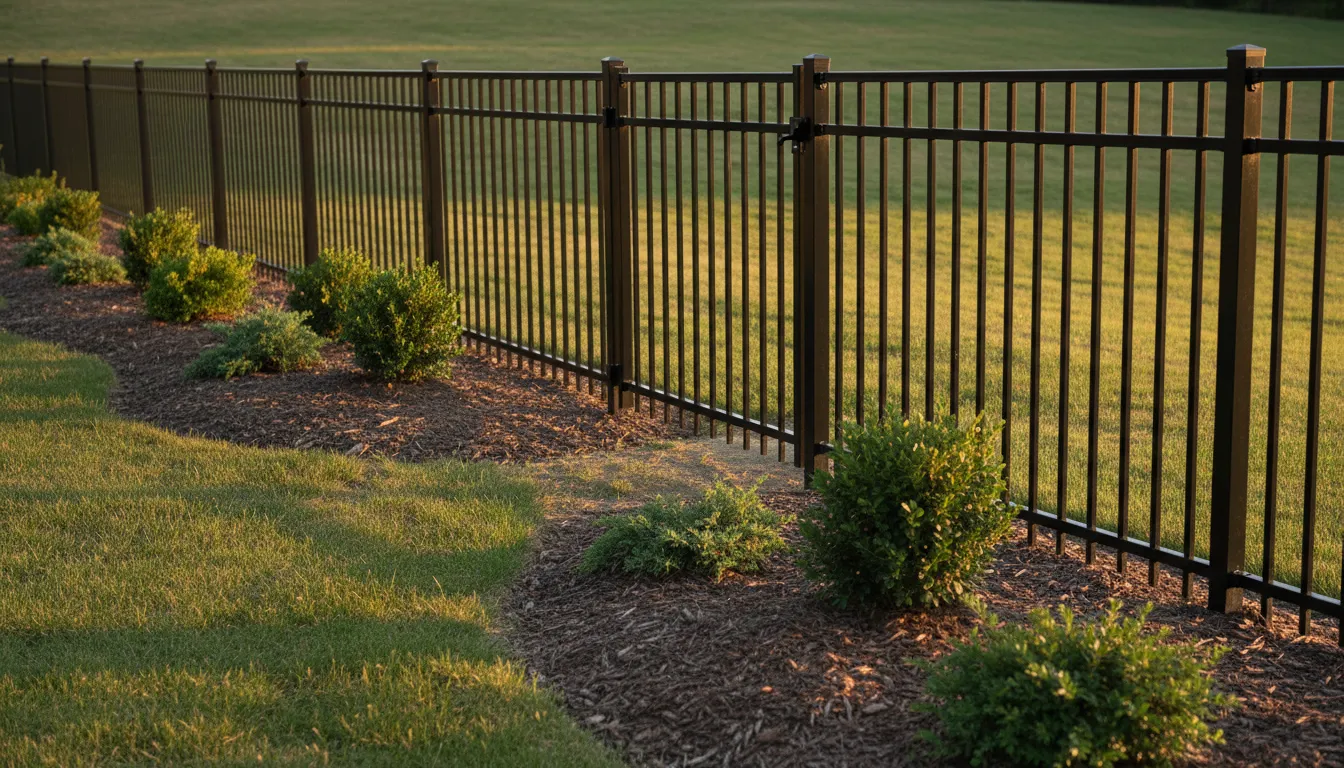
Example imagery, not photographs of completed jobs. A live site would carry the owner’s own pictures of their own work here.
Cedar or treated pine. Posts set in concrete below the frost line and boards run to a string line rather than to the ground, because the ground is never straight.
Powder coated and rot proof. It will follow a grade change without stepping, provided the run is laid out for it before anything is dug.
A gate is the only part of a fence with moving parts, so it is the part that fails. Post size and hinge count are what decide whether it sags in year three.
Most fences fail at the post rather than the panel. If the posts are sound, the run can usually be saved for a fraction of a full replacement.
Below the local frost line. That is what stops a post heaving over winter and taking the whole run out of square with it, and it is the single thing most cheap fences skip.
Setting posts is usually one day, and the concrete has to cure before panels go on. Most runs are two visits rather than one long day, which is a good sign rather than a bad one.
Two ways. Stepped, where each panel stays level and the run descends in stages, or racked, where the panel itself follows the grade. Which one is available depends on the fence type.
Length, height, material, and whether the ground moves. That is enough for a number.
Placeholder number. Nothing on this site connects to a real line.