Demonstration site · built by Akrodos · akrodos.com
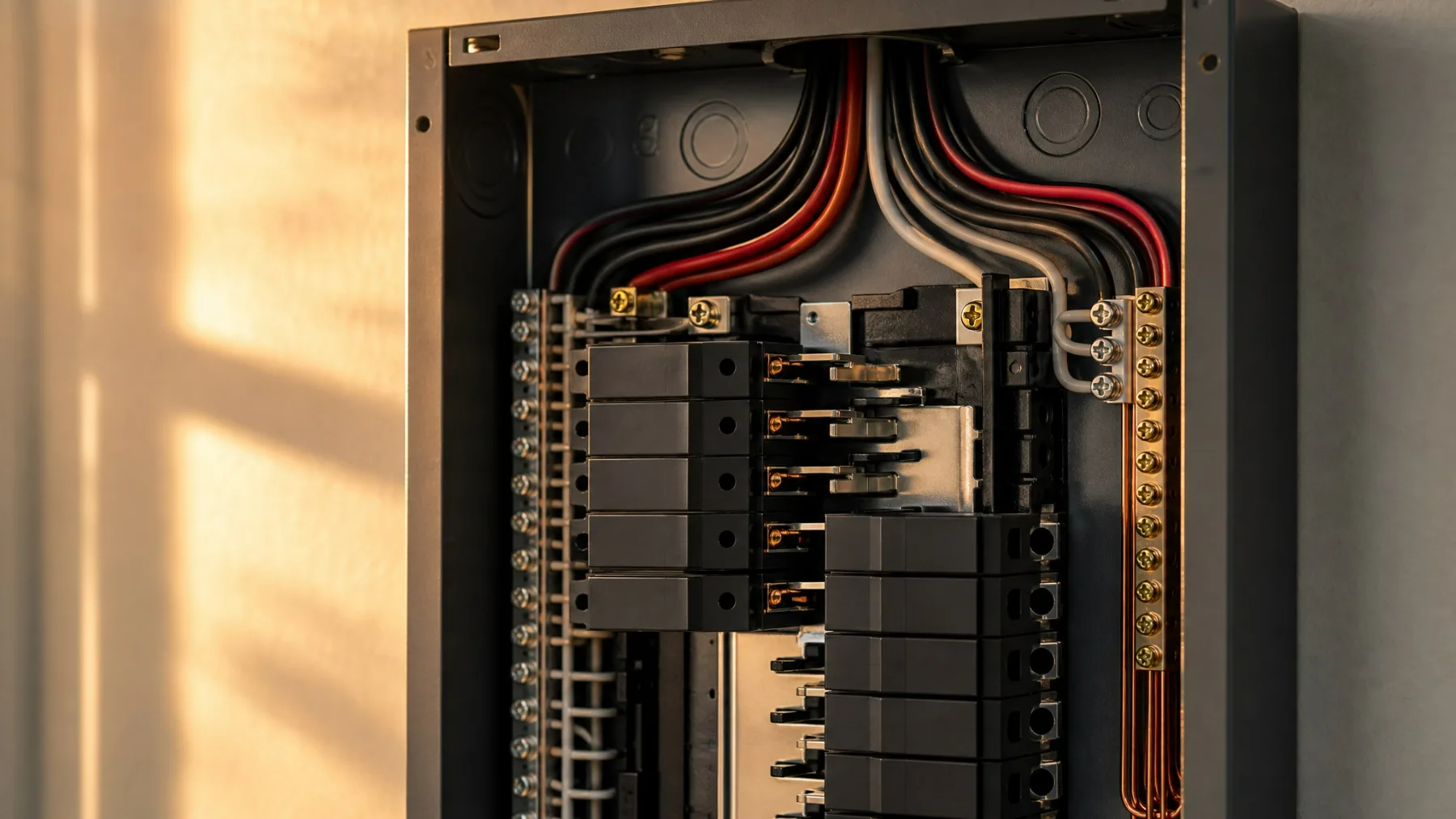
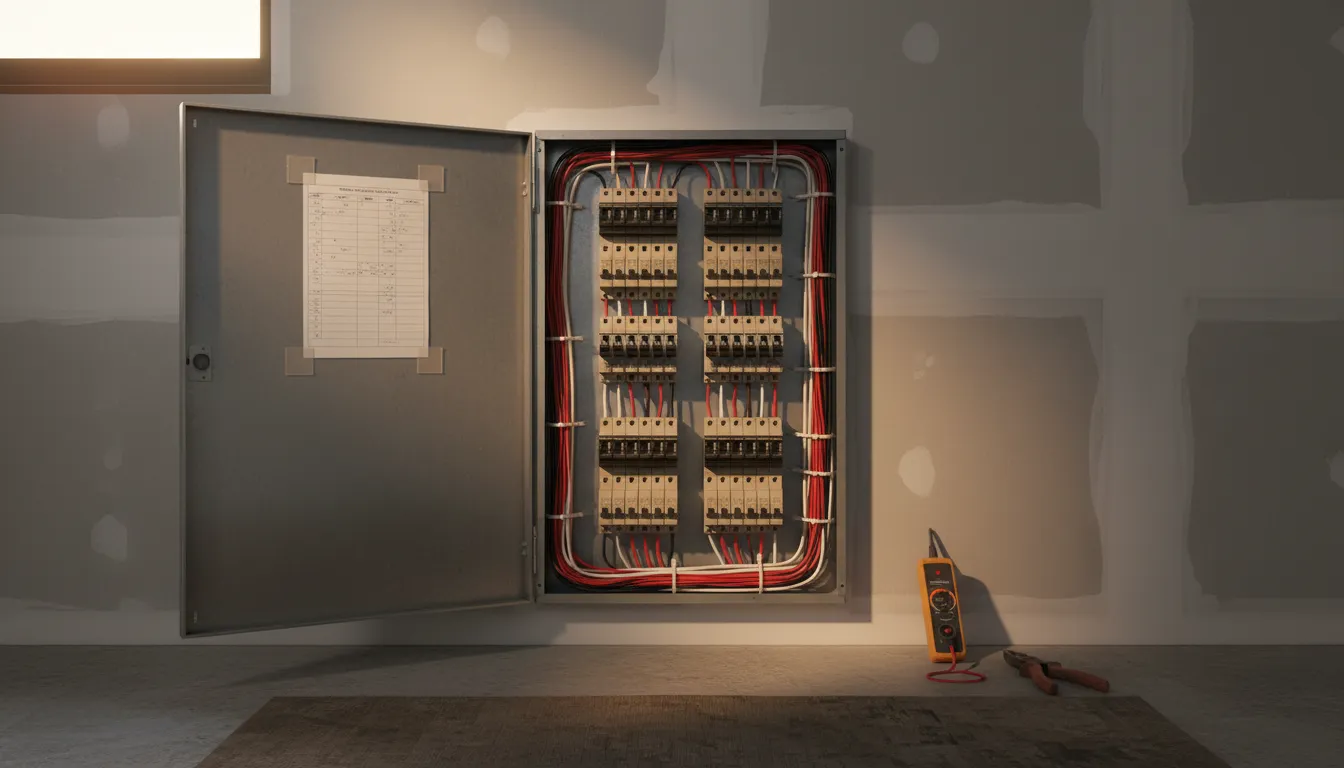
An open residential electrical panel with breakers and neatly dressed branch circuit conductors

Panels / Circuits / Service

Most of what goes wrong is a connection.

(555) 555-0102

Electricity does not really break. Connections loosen, insulation ages, and a circuit that was perfectly adequate for a house built in 1962 meets a kitchen with an induction range and a car charging in the driveway. Most of this work is finding the place where the load quietly outgrew the wire.

The work

Four services

01

Panel upgrades

A hundred amp panel with a full bus and no room left for a two pole breaker is the most common reason a kitchen project stalls before it starts. The service gets sized from a calculated load, which counts what the house actually draws, not from the number of empty slots behind the door.

02

EV charger circuits

A level two charger is a continuous load, so its breaker is sized at a hundred and twenty five percent of the draw rather than at the draw itself. That single calculation decides whether your existing panel can take one, and it is why a panel with free slots sometimes cannot.

03

Generator hookups

A transfer switch exists to keep your generator off the utility line. Backfeeding energises the drop outside your house, and it is the failure that injures line workers, which is why this is the part nobody improvises and every inspector looks at twice.

04

Fault finding

A breaker that trips is not broken. It is the one component in the house doing precisely what it was built to do. Finding out what it is protecting you from means halving the circuit, then halving it again, until the fault has nowhere left to hide.
The wire does not care how old the house is. It cares how much current you asked it to carry, and for how long.

What the work looks like

Plates 01 to 04

An open residential electrical panel with circuit breakers in rows and conductors dressed in neat right angle bends
01Load centre with the dead front off, branch circuits dressed, directory filled in.
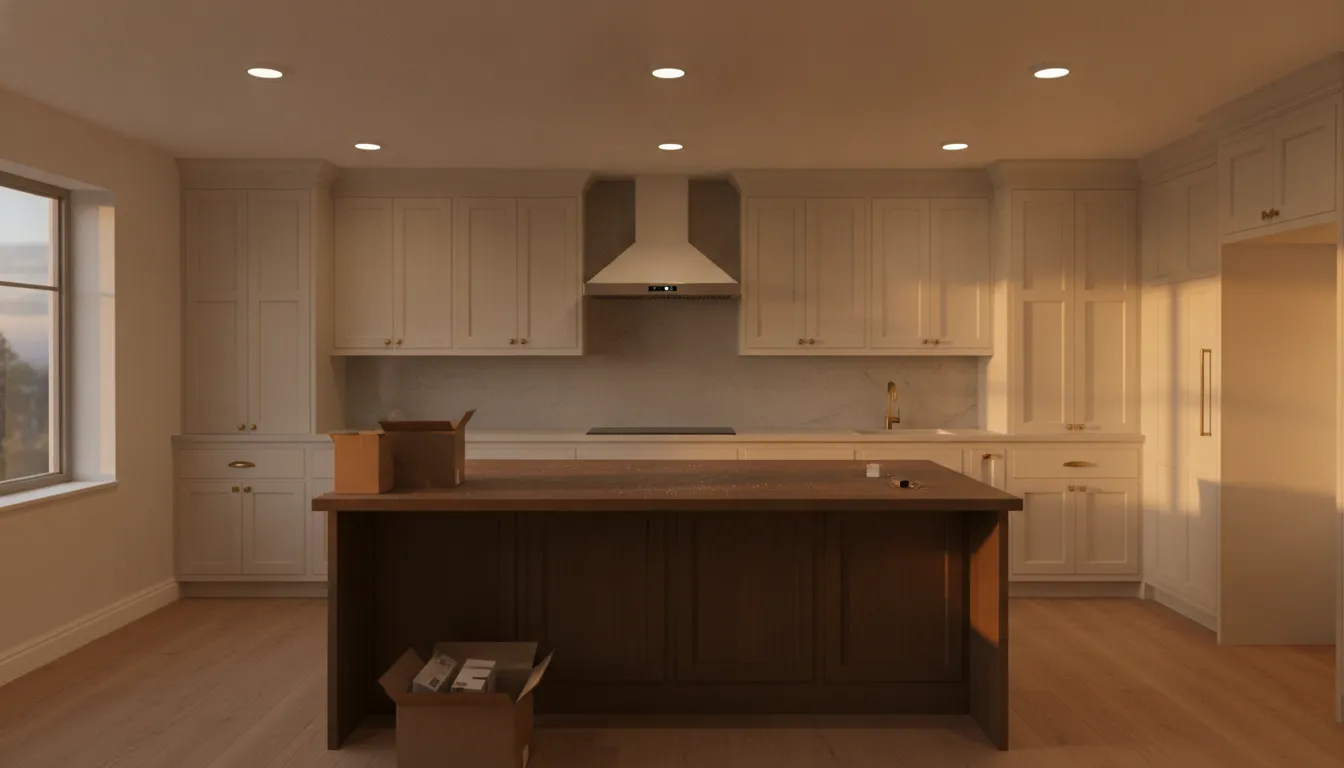
Recessed LED downlights installed in a straight run across a finished kitchen ceiling
02A straight run of recessed downlights, trims seated flush to the ceiling.
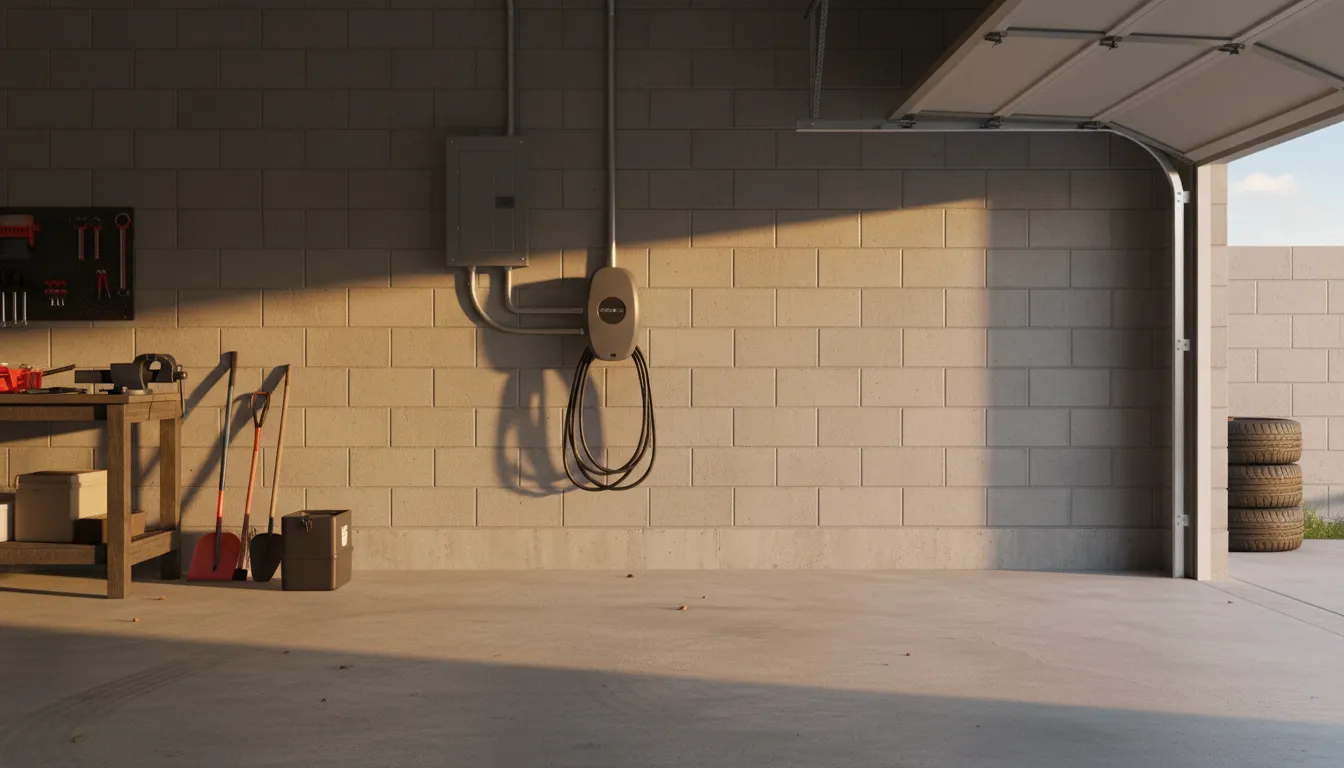
A wall mounted electric vehicle charger in a garage with surface conduit running to a subpanel
03Level two charger on a dedicated circuit, conduit run back to the subpanel.
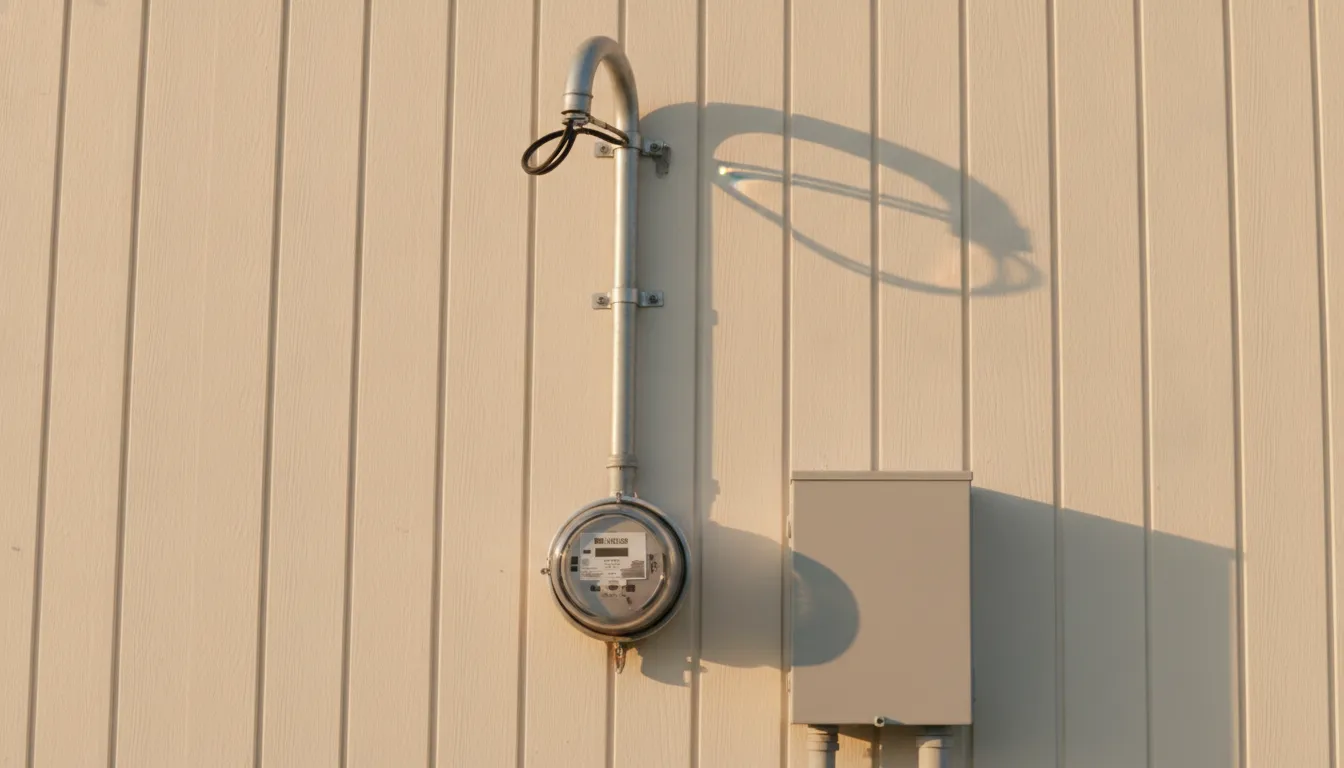
The exterior electrical service of a house showing a meter base, service mast, and disconnect
04Service mast, meter base, and exterior disconnect set on the wall.

Example imagery, not photographs of completed jobs. A live site would carry the owner’s own pictures of their own work here.

What happens after you call

  1. Step 01

    You describe the symptom

    Lights that dim when the dryer starts, a breaker that will not reset, a receptacle that feels warm against the back of your hand. Each of those points somewhere different, and the description narrows the search before anyone arrives.

  2. Step 02

    We test before opening a wall

    Voltage drop under load, current on each leg at the panel, and a thermal check at the terminations. Most faults live at a connection rather than in the middle of a run, and connections are reachable without cutting drywall.

  3. Step 03

    You get the scope and the price

    What has to be replaced, what can stay exactly as it is, and what the permit and inspection add to the total. In writing, before any of it begins.

  4. Step 04

    The work, then the inspection

    Circuits mapped, the panel directory filled in by hand rather than left blank, and the inspection booked. The directory is the part most people never get and the part they need most.

Questions people ask

For a panel change or a new circuit, yes, and it works in your favour. The inspection is a second set of eyes on work that is about to be closed inside a wall where nobody will look again for thirty years.

Intermittent faults usually come from a loose termination that expands as it heats. It passes every test on a cold circuit and fails once the load has been running twenty minutes, which is why the test has to happen under load.

That depends on the calculated load rather than on the empty slots. A panel that looks full sometimes has room, and a panel with six free spaces sometimes does not. The calculation takes about twenty minutes.

Book an assessment

Tell us what it is doing.

A breaker that will not reset, a warm receptacle, lights that dim on a motor start. The symptom narrows the search before anyone arrives.

Or call

(555) 555-0102

Placeholder number. Nothing on this site connects to a real line.

Call